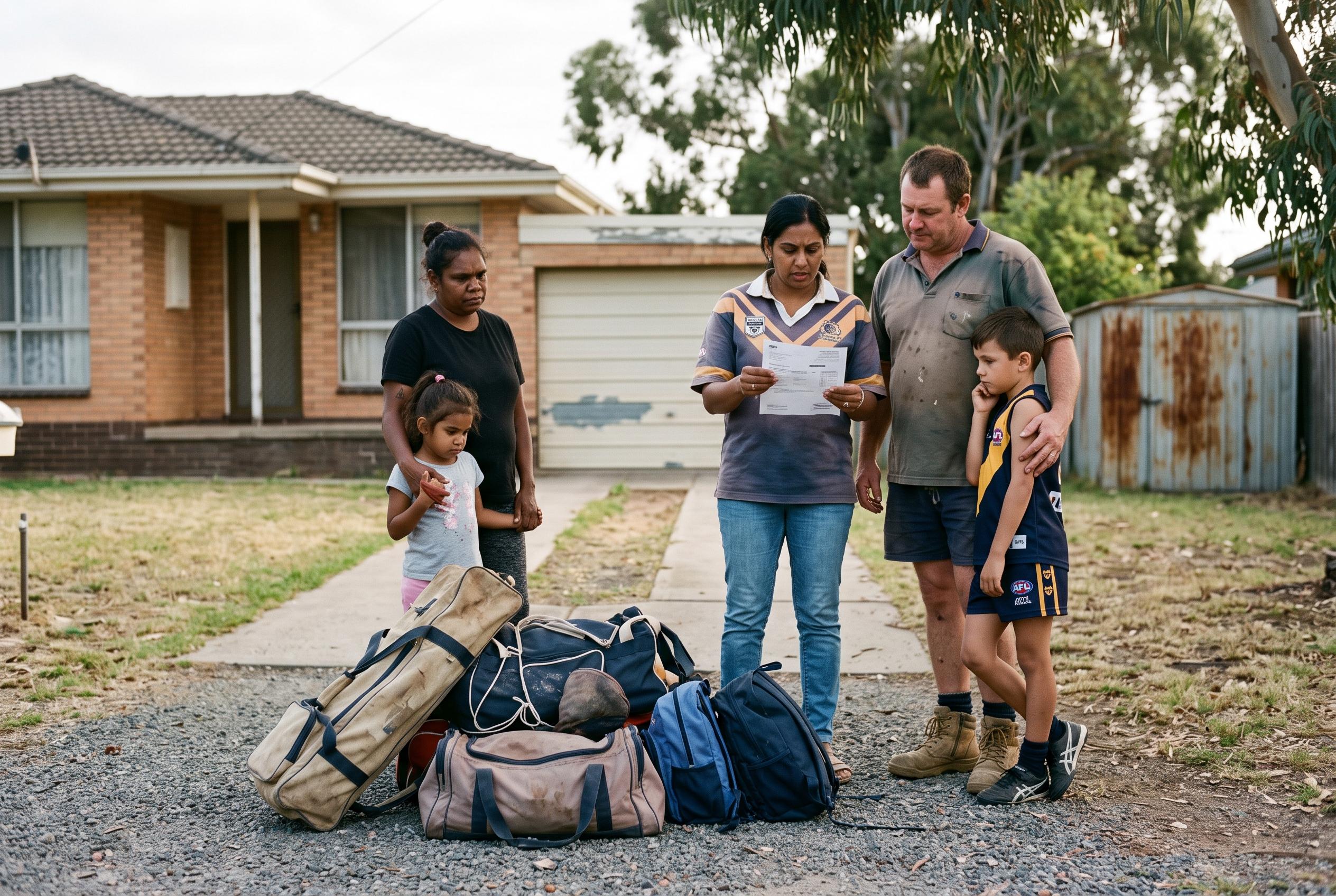

A new national study reveals that household expenses for children’s community sport in Australia average $4,567 annually, prompting calls for cheaper options and more targeted support to keep kids active.
The real bill for children’s community sport in Australia is not the sign-up fee but a household outlay that now averages $4,567 a year, according to a national study that says cost is increasingly shaping whether families can keep children in the game. Adult participants were found to spend $2,894 on average. Researchers said 78 per cent of child participants reported cost as a factor in their decision to take part, suggesting affordability has shifted from a background worry to a central participation issue.
The study, published in Frontiers in Sports and Active Living on 18 August, was led by Federation University in partnership with the Australian Sports Commission and drew on an online survey conducted between October and December 2024. It analysed valid responses from 5,533 people, including 2,457 children and 3,076 adults, across 67 children’s sports and 77 adult sports. Federation University has described it as the most comprehensive Australian attempt yet to measure what households actually spend on community sport rather than elite competition.
That wider accounting matters because earlier national tallies largely measured what parents paid directly to clubs or venues. The paper says those narrower figures had already risen sharply, from $685 a child in 2018-2019 to $1,369 in 2022-2023, while adult costs climbed from $796 to $1,304. The authors argue sport costs therefore rose at four to seven times the pace of consumer inflation over the same period, even before coaching, travel, accommodation and time away from paid work were fully counted.
Once those extras are included, the average entry-level bill for a child is still $1,161, made up of about $474 in registration, $379 in equipment and $307 in kit and shoes. But the gap between sports is striking. The paper found individual sports cost an average of $5,401 for children, against $4,260 for team sports, driven heavily by coaching and equipment. Sebastian Tan reported in The Queenslander that water polo topped the children’s list at $15,694 a year, ahead of equestrian at $13,947 and BMX or mountain biking at $11,689, while taekwondo, softball and athletics were among the cheapest options.
The national average also masks a geographical split. Children in major cities and those in regional or remote Australia faced similar total bills overall, yet the mix of expenses was very different. The study found regional and remote families spent about $790 a year on travel and about $714 on accommodation, compared with about $428 and roughly $370 respectively in cities. Metropolitan families, by contrast, paid more for coaching and club fees. Researchers also said cost pressure fell hardest on children, people with disability, culturally and linguistically diverse participants, and those in the most disadvantaged areas.
The Australian Sports Commission says it commissioned the work under its Play Well strategy so clubs and governments can act on more than anecdotes. Kieren Perkins, the commission’s chief executive, said the research was helping the sector understand where challenges existed “but more importantly it is helping us focus on solutions”. The commission points to Golf Australia’s TeeMates scheme, which has subsidised junior rounds to $5 and recorded more than 7,300 reduced-price rounds in the past year, up 460 per cent. Wests Brisbane Junior Rugby League has introduced tiered pricing that cuts $180 from the bill for a family with three children, while Team Connect WA covers uniforms, equipment, transport and even morning tea for teenage girls entering cricket. The commission also says Sporting Schools now provides free sporting activities to about two million children each year.
Whether vouchers alone can solve the problem is far less clear. In June 2025, the Guardian reported research from the University of Sydney suggesting New South Wales’ Active Kids scheme had failed to lift participation at scale, despite significant public spending and similar subsidy programmes across the country. Rochelle Eime told the Guardian that a $150 or $200 voucher “doesn’t really cut through” for households juggling rent, food and power bills, and argued that sports also need formats that are less rigid, more enjoyable and easier for families to sustain.
Clubs on the ground are already improvising. Fawkner Netball Club has turned to grants, second-hand uniforms and instalment plans after, as president Grace O’Brien told AAP, parents can “just turn off” once they hear the fee structure. The Australian Sports Commission says Canberra’s Belnorth Football Club offers flexible payment plans, family rebates and hardship scholarships, while a boot-swap system keeps used gear in circulation. The lesson from the study is that community sport’s value may be widely accepted, but keeping it open to ordinary families will depend on more than a registration discount: it will require cheaper kit, reused uniforms, better travel support and fewer costs hidden beyond the club sign-up page.
Disclaimer: This content is for informational purposes only and is not intended to be a substitute for professional medical judgment, advice, diagnosis, or treatment.