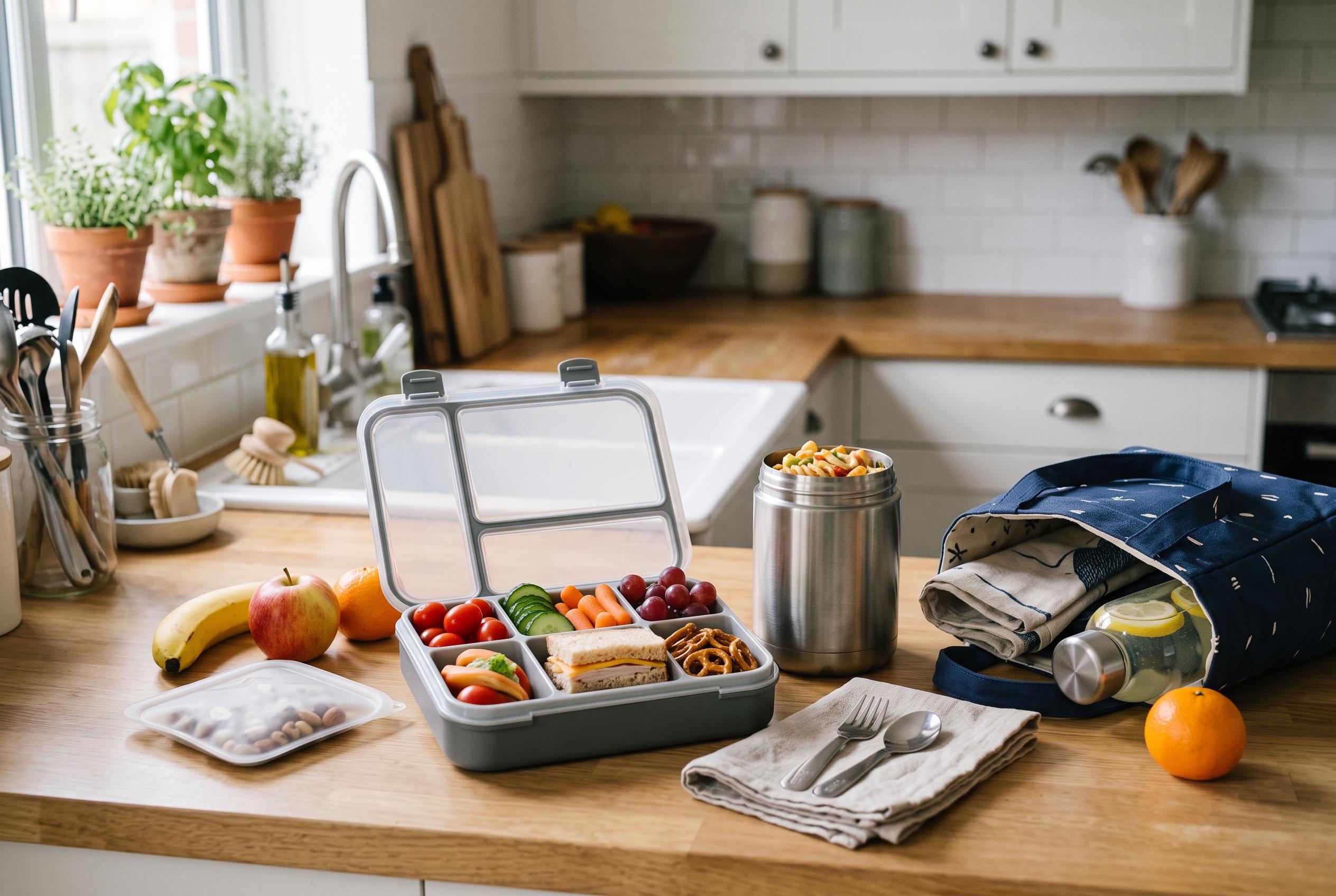

With an evolving approach to back-to-school cooking, food publishers now prioritise variety, portability, and ease, moving beyond traditional sandwiches to inventive, make-ahead, and hot thermos meals that ease weekday stress.
Back-to-school recipe coverage has become far more ambitious than the standard sandwich-and-snack-box formula, with food publishers now treating the return to term as an all-day, all-week problem to solve. The freshest example came on 4 September, when Bon Appétit published a 41-strong school-lunch collection built around make-ahead sandwiches, thermos soups and freezer-friendly handhelds. That same broad framing runs through this season’s other guides, from Food Network’s 57-recipe package updated on 30 July to Delish’s August gallery of school-night dinners and BBC Good Food’s 76 lunchbox ideas. The Woks of Life sits inside that shift, but with a more personal, Chinese home-cooking slant, moving from quick breakfasts and packed lunches to rice-cooker suppers and after-school bowls of noodles.
What stands out in the newer packages is how decisively they move away from the default cold sandwich. Bon Appétit calls packing lunch five days a week “the ultimate test of emotional resilience” and jokes about sandwiches returning “half-eaten, or worse, traded for a Twinkie.” Its answer is food that travels: cucumber sandwiches with green chutney assembled in five minutes, crispy chicken quesadillas, canned-tuna onigiri, cold noodles and Jamaican beef patties. The Woks of Life lands in a similar place from a different direction, steering readers towards dumplings, char siu bao, tea eggs and meat-filled wraps that can be eaten out of hand, while arguing that a hot thermos can rescue lunch when there is no microwave.
British titles push the practical point even harder. BBC Good Food’s lunchbox collection opens with a promise of “healthy bites and a few special treats” and spreads 76 ideas across fillings, pasta salads, energy balls and simple bakes. Its visible cards include 10-minute hummus snack packs, 10-minute falafel lunchboxes and 10-minute caprese sandwiches, alongside easy omelettes, chickpea fritters and crunchy salads, all tagged with labels such as healthy, vegan, vegetarian or gluten-free. The Kitchn, by contrast, turns the school-lunch problem into a workflow: Patty Catalano’s plan feeds two adults and two children, takes about 1½ hours, covers roughly 70% of lunches and requires no weekday cooking once the prep is done.
That plan is specific enough to show what editors now think families actually need: ham and cheddar lunch box muffins for Monday, pesto tortellini pasta salad for Tuesday, ranch chicken BLT salad midweek, deli meat roll-ups on Thursday and “breakfast for lunch” on Friday, with frozen wholegrain waffles, boiled eggs, berries and a sweetened yoghurt dip filling the gaps. Catalano writes that “Having a plan for the midday meal helps make mornings run more smoothly.” These are not just recipe round-ups any more; they are operating manuals.
Dinner has expanded at the same time. Delish’s August gallery is unapologetically about survival on school nights, promising meals with minimal prep and, ideally, less than 30 minutes at the stove. Its chicken pesto pasta uses shop-bought pesto and six other ingredients in one pan and is pitched as a dish to eat once and pack again the next day; its dumpling stir-fry repurposes freezer staples into a full meal. Food Network takes a broader approach, tying its 57-recipe package to the realities of homework, science projects, sports practice and band concerts. Early entries range from fall-off-the-bone roast chicken and three-ingredient macaroni cheese to pantry pasta, slow-cooker lasagne and peanut butter-banana protein muffins with 10 grams of protein per serving.
The seasonal angle is also stronger than it used to be. Martha Stewart’s autumn feature, published on 29 September 2025, folds back-to-school pressure into a broader fall cooking plan built around apples, pumpkin, squash, tomatoes and berries. It recommends batching breakfasts over the weekend, packing lunches that travel well and leaning on one-pan suppers and soups to keep washing-up down. Its menus run from Baked Oatmeal for a Crowd With Berries and Seeds and Cranberry-Pumpkin Muffins to Turkey, Cheddar, and Green-Apple Sandwich and Gingery Pork-and-Broccoli Stir-Fry. “After a long, hot, humid summer, I think we are all ready for some fresh ideas,” Stewart says in the piece.
Taken together, the packages suggest that back-to-school cooking coverage is no longer really about lunchboxes alone. It is about creating enough variety, portability and leftover potential to get a household through the week without surrendering every evening to the kitchen. That is why a single seasonal theme now happily contains Chinese rice-cooker meals, British chickpea sandwich fillers, American pasta salads, freezer-friendly hand pies and thermos soups. The common promise is less glamour than relief: fewer frantic mornings, fewer repetitive sandwiches and a better chance that dinner, lunch and the after-school snack all pull in the same direction.
Disclaimer: This content is for informational purposes only and is not intended to be a substitute for professional medical judgment, advice, diagnosis, or treatment.