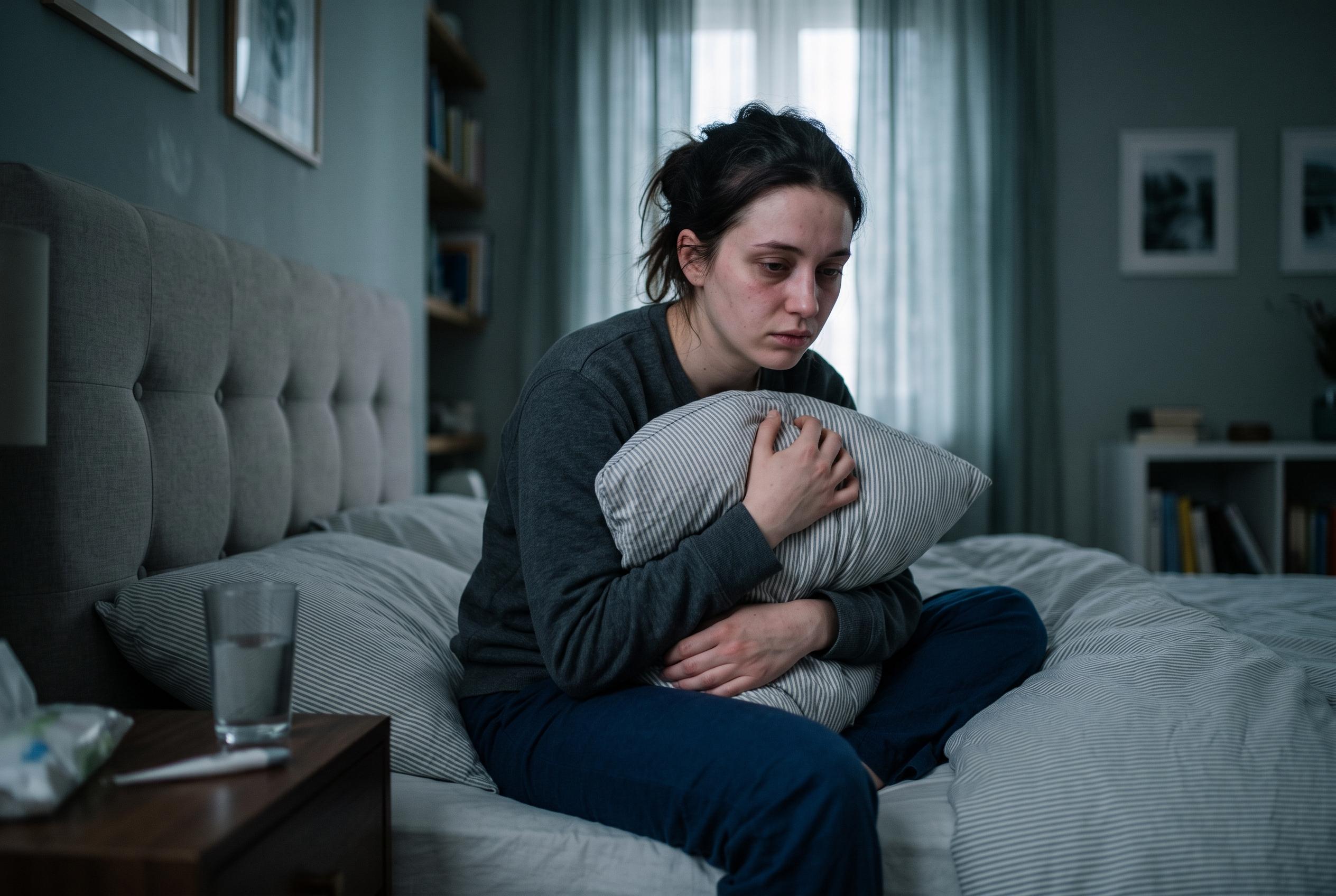

Sleeping 12 to 15 hours daily may be a symptom rather than a personality trait, with underlying health issues such as sleep disorders or mental health conditions requiring thorough investigation, say Ho Chi Minh City doctors.
Sleeping 12 or even 15 hours a day in a young person should not be dismissed as idleness, doctors in Ho Chi Minh City told Thanh Niên after the paper spoke to a 25-year-old woman who says she has needed 12 hours a night since her school days and a 17-year-old whose bouts of unusually long sleep have recurred alongside anxiety and mild depression. The broader medical benchmark is lower: the American Academy of Sleep Medicine says sleep is “essential for optimal health in adolescents” and recommends that teenagers aged 13 to 18 get eight to 10 hours in every 24-hour period on a regular basis. (thanhnien.vn)
That does not mean every long sleeper is ill. The sleep academy says adolescence is a critical transition into adulthood, and the An Sinh General Hospital doctor quoted by Thanh Niên said puberty usually pushes melatonin release back by one to two hours, nudging teenagers towards later bedtimes and later mornings. Vinmec adds that long sleeps can also be a rebound from accumulated exhaustion: after extended strain from study, work or family pressures, some people may sleep for as long as 15 hours when they finally get the chance to rest. (aasm.org)
Persistent oversleeping, however, has a long list of possible explanations. Vinmec says hypersomnia affects about 2% of people worldwide and notes that sleep apnoea can break breathing for 10 to 20 seconds at a time, fragmenting rest so badly that a person stays sleepy through the day without knowing why. Vinmec and a VnExpress neurological Q&A both point to narcolepsy, chronic insomnia, depression, anxiety, thyroid disease, diabetes, chronic liver or kidney disease and sedating medicines such as anti-anxiety drugs, antihistamines and opioid painkillers. Vinmec also notes that narcolepsy can begin in childhood. (vinmec.com)
Several of the supporting reports argue that regularly sleeping far beyond the usual range may carry health risks of its own, though the evidence cited is not all of equal strength. Vinmec says research has linked sleeping nine to 10 hours a night with a 21% higher obesity risk than sleeping seven to eight hours, and cites another study of more than 70,000 women in which nine to 11 hours was associated with a 38% higher risk of coronary disease. VOV, citing Brightside, said about 15% of people with depression oversleep and reported studies linking more than nine hours a night with higher mortality. (vinmec.com)
Neurologists interviewed by VnExpress have put special weight on what long-term oversleeping may do to the brain. Nguyen Huu Khanh of Tam Anh General Hospital’s neuroscience centre said in March 2026 that regularly sleeping more than nine to 10 hours, especially with fatigue, poorer concentration, headaches or mood change, may point to something more than simple catch-up sleep. He said excessive sleep can disturb circadian rhythm, slow information processing and affect the hippocampus, a structure crucial to memory; where sleep apnoea is involved, reduced overnight oxygen can leave people exhausted despite spending longer in bed. (vnexpress.net)
Because the symptom can stem from anything from sleep debt to a structural brain problem, the suggested work-up is broad. Vinmec advises medical review when excessive daytime sleepiness lasts more than six weeks, with assessment that can include the Epworth Sleepiness Scale and a week-long sleep diary. Khanh told VnExpress that specialists may then use overnight polysomnography, a multiple sleep latency test, blood tests for thyroid, glucose, liver and kidney function, and brain imaging such as MRI when they suspect neurological injury or another disorder affecting the sleep-wake cycle. (vinmec.com)
The warning signs are the part least likely to be explained away as merely enjoying a lie-in. The doctors quoted by Thanh Niên said assessment is warranted when someone needs 12 to 15 hours of sleep almost every day, is hard to wake, or starts nodding off while studying, working, reading or driving. Loud snoring, pauses in breathing, persistent headaches, dizziness, worsening performance, irritability, personality change and depressive symptoms all strengthen the case for checking whether a sleep disorder, mental health condition or physical illness is underneath. Vinmec’s advice points in the same direction, urging review when excessive sleepiness drags on for weeks rather than days. (thanhnien.vn)
The first response is still practical rather than dramatic. Across the medical sources, the consistent advice is to keep a regular bedtime and wake-up time, avoid turning weekends into giant recovery sleeps, stay physically active, cut down alcohol and caffeine, and get away from phones and other blue-light screens before bed. But if those changes do not help, the message is much clearer than the lazy stereotype: unusually long sleep should be treated as a symptom to investigate, not a personality flaw to ridicule. (vinmec.com)
Disclaimer: This content is for informational purposes only and is not intended to be a substitute for professional medical judgment, advice, diagnosis, or treatment.